Free Consultations | Available 24 / 7
 262-232-6699
711 W. Moreland Blvd. Suite 100,
Waukesha, WI 53188

What Does a Bench Warrant Mean in Wisconsin?
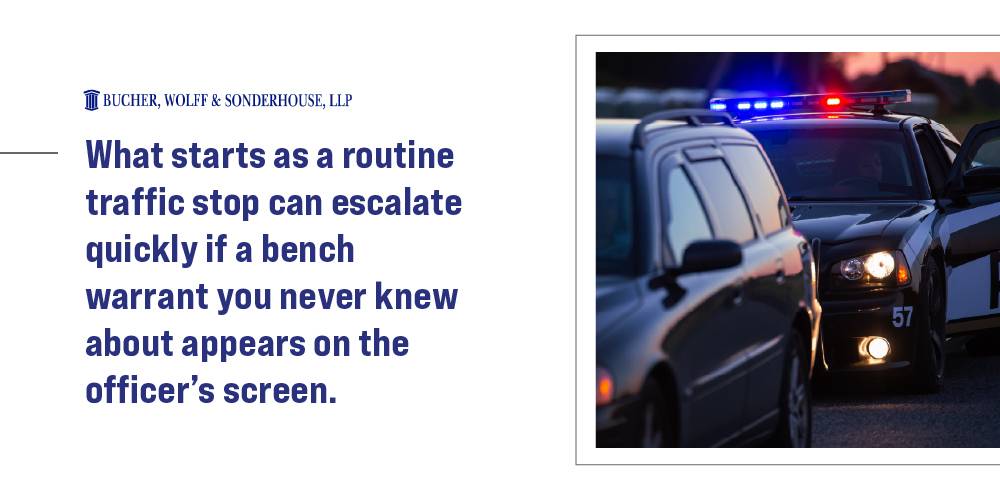
 A bench warrant is a court order signed by a judge. It gives law enforcement the authority to take a person into custody and bring them before the court. Often, people only learn about a bench warrant after being stopped by police or trying to clear up a record. If you are unsure about your status or worried that a missed obligation may have triggered court action, our New Berlin, WI criminal defense lawyers can help you get answers before the situation escalates.
How Does a Bench Warrant Work in Wisconsin?
Unlike many other warrants, a bench warrant usually does not come from a new criminal charge. It is most often tied to something that happened during an existing case. In many situations, a bench warrant is issued after someone misses a required court appearance or fails to comply with a court order, intentionally or unintentionally. That might include unpaid fines, missed probation meetings, or failure to complete court-ordered programs. The goal of the warrant is not to punish you right away. Instead, it is meant to bring you back into court so the judge can address the issue directly with you there.
Can I Check If I Have a Bench Warrant in Wisconsin?
There are several ways to find out whether a bench warrant is active. Many Wisconsin counties offer public online court record systems. These allow you to search by name and see whether a warrant appears on your record.
You can also contact the clerk of court in the county where your case was filed. Clerks can often confirm whether a warrant exists and provide basic information about the case.
An attorney can also check your status for you. Lawyers often have faster access to court systems and can interpret what the warrant means for your situation. This can be helpful if you feel unsure about what you are seeing in online records.
Why Would a Judge Issue a Bench Warrant?
Some of the most common reasons for issuing a bench warrant include:
-
Missing a required court appearance
-
Not paying fines, fees, or restitution
-
Failing to comply with probation conditions
-
Skipping required treatment, education, or testing
-
Violating the terms of release in a pending case
In many cases, a missed obligation is the result of timing issues or simple oversight. Notices can be sent to the wrong address. Work conflicts, illness, and confusion about court dates also happen. However, even when the reason is unintentional, you will still need to make a court appearance.
Can You Go to Jail for a Bench Warrant in Wisconsin?
Unfortunately, you can be taken to jail on a bench warrant. Whether this happens depends on the reason for the warrant and the underlying case. Some people are released after posting bond or appearing before a judge. Others may remain in custody until a court hearing is scheduled.
Wisconsin law gives police authority to make arrests in a wide range of situations. Wis. Stat. § 968.07 allows police to make an arrest in certain situations without first getting a traditional warrant from a judge. It lists specific conditions, such as when an officer has reason to believe a crime has just happened or when a valid warrant already exists. Once a bench warrant is active, officers are permitted to act on it.
The nature of your original charge, court history, and whether the judge believes you will return to court voluntarily in the future affect whether jail is a possibility. This is something your attorney can explain after reviewing your case.
What Should You Do If You Find Out You Have a Bench Warrant?
You need to take action immediately when you discover that there is a bench warrant for you. The warrant does not disappear on its own. Taking action early can reduce stress, limit jail time, and help get the case back on track. The first thing you should do is speak with a criminal defense lawyer. In some cases, it may be possible to arrange a voluntary court appearance instead of waiting for an arrest. In others, the court may require immediate action.
Preparing documents that show why a deadline was missed can also help. Medical issues, travel conflicts, improper notice, or employment obligations may be relevant. While judges are not required to excuse missed obligations, they often consider the full picture when deciding how to move forward.
Can a Lawyer Help You Get Rid of a Bench Warrant?
Having legal representation can be an integral part of resolving a bench warrant issue. In many cases, an attorney can file a motion asking the court to recall or quash the warrant. This means asking the judge to cancel the warrant and set a new court date instead.
A lawyer can also help present information that explains why the obligation was missed. Judges often look at whether the issue was intentional or caused by circumstances beyond your control. Clear explanations supported by records can make a difference.
In some situations, an attorney may be allowed to appear on your behalf to address the warrant. This can help reduce the risk of sudden arrest during the first steps of resolving the issue. The exact process depends on the court, the type of case, and local judicial rules.
Does a Wisconsin Bench Warrant Ever Expire?
Some people assume that time alone will solve the problem. That is rarely the case. In most situations, a bench warrant never expires. It remains active until the court takes formal action to clear it. Months or even years can pass, but the warrant usually stays in the system. The safest and most effective approach is to address the warrant directly rather than hoping it will go away on its own.
Schedule a Free Consultation With Our Waukesha, WI Criminal Defense Attorneys
If you are concerned about a bench warrant, our New Berlin, WI criminal defense lawyers can help. You can call any time, 24 hours a day and seven days a week to ask questions. If you believe a warrant may be active in your name, call Bucher, Wolff & Sonderhouse, LLP at 262-232-6699 to schedule a free consultation.











Contact Our Firm
 The use of the Internet or this form for communication with the firm or any individual member of the firm does not establish an attorney-client relationship. Confidential or time-sensitive information should not be sent through this form.
I have read and understand the Disclaimer and Privacy Policy.