Free Consultations | Available 24 / 7
 262-232-6699
711 W. Moreland Blvd. Suite 100,
Waukesha, WI 53188

Brookfield, Wisconsin OWI Attorneys
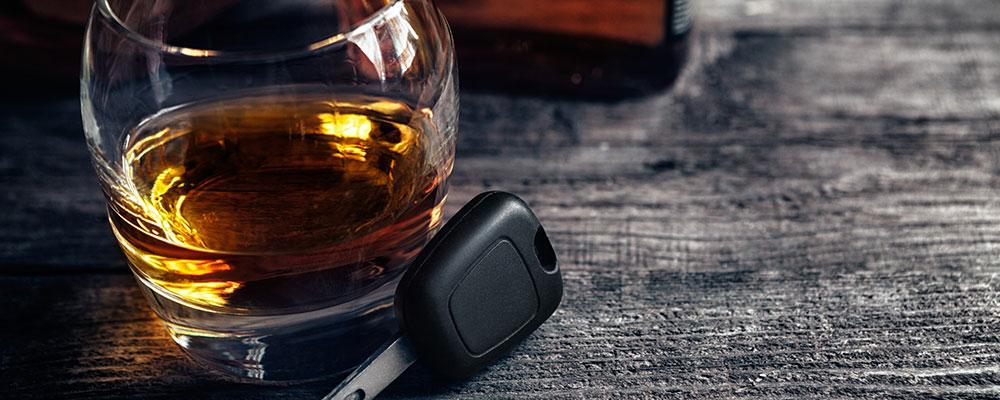
Lawyers Defending Against Drunk Driving Charges in Brookfield
No matter why you may be pulled over by a police officer, the situation can be stressful. If you are suspected of driving under the influence of alcohol or drugs, the consequences you may face will be much more serious than a simple traffic ticket. In Wisconsin, a charge of operating while intoxicated (OWI) can lead to serious penalties, including large fines, the loss of a driver's license, and even the possibility of a jail sentence.
If you have been arrested for OWI, the charges you are facing could affect your ability to work, travel, and provide for your family. You will need to understand what steps you can take to defend against these charges and avoid long-term consequences. At Bucher, Wolff & Sonderhouse, LLP, our attorneys provide representation for people in Brookfield who have been arrested for drunk or intoxicated driving. We can help you understand your rights, review every detail of your case, and identify the best strategies for defense. We will provide the compassionate legal representation you need to protect your future.
What Happens During a Traffic Stop Involving Suspicions of Drunk Driving
A police officer may pull a driver over if they observe a traffic violation or have a reasonable suspicion that a person has committed a crime like OWI. Common reasons for traffic stops include erratic driving, driving too slowly, running red lights, swerving across multiple lanes, or having a broken taillight. Under the "reasonable suspicion" standard, an officer cannot pull someone over simply because they think the person may have been drinking alcohol. They must either observe a traffic violation or have a valid reason to believe that a person had broken the law.
Most of the time, traffic stops will be based on minor violations. However, after pulling a vehicle over, an officer will look for signs that the driver may have been drinking or using drugs. They may observe issues such as slurred speech or bloodshot eyes, or they may smell alcohol in the vehicle or on a person's body. If a person has trouble retrieving their license or answering questions, this may be seen as a sign that they are intoxicated. They may then perform further investigations to determine whether they can arrest the person for OWI.
Field Sobriety Tests
In many cases, when an officer believes that a driver is intoxicated, they will ask them to step out of their vehicle and perform field sobriety tests. These exercises are used by officers to assess a driver's level of impairment. There are three tests that are typically used, and the procedures followed during these tests have been standardized across the United States:
- Horizontal Gaze Nystagmus (HGN): The officer may observe the movements of a person's eyes as they follow a moving object. They will look for twitching or jerking, which may be a sign of impairment by alcohol or drugs.
- Walk-and-Turn: A person will be asked to take several steps along a straight line, then turn around and return to the starting point. A loss of balance, incorrect steps, or failure to follow instructions may indicate that the person is intoxicated.
- One-Leg Stand: A driver will be asked to stand with one foot raised off the ground for several seconds. Swaying, hopping, or putting their foot down may be seen as signs of impairment.
It is important to know that field sobriety tests are not infallible. Factors such as uneven pavement, poor lighting, medical conditions, or nervousness can affect a person's performance. Our attorneys can examine the conditions under which these tests were administered and present alternative explanations for a person's behavior.
Breathalyzer Tests, Blood Tests, and Wisconsin's Implied Consent Law
Based on a police officer's observations, including the results of field sobriety tests or roadside breath tests, they may believe that they have probable cause to arrest the driver for OWI. After an arrest, a person will usually be asked to take one or more chemical tests to determine their blood alcohol concentration or identify any drugs in their system. These chemical tests may consist of a breathalyzer or a blood sample that will be tested in a lab.
In Wisconsin, the implied consent law states that anyone who drives the state's roads is considered to have consented to chemical testing if they are arrested for OWI. A person may refuse to take a blood or breath test, but this will result in penalties. A first-time refusal will result in a one-year revocation of the person's driver's license. The revocation period will increase for people with prior OWI convictions or refusals. The prosecution may also use a refusal as evidence against a person, arguing that they refused because they knew they were over the legal limit.
Potential Defense Strategies in an OWI Case
Our lawyers will conduct a thorough investigation of the facts and circumstances surrounding an OWI arrest to determine which defense strategies may be used. We may:
- Challenge the Legality of the Traffic Stop: If an officer did not have a valid legal reason to pull a driver over, any evidence gathered during the stop may be excluded from an OWI prosecution. Our attorneys can look at dashcam footage, police reports, and testimony from the arresting officer to determine whether a person's Fourth Amendment rights were violated.
- Question Field Sobriety Tests: As noted above, field sobriety tests are highly subjective, and they can be influenced by factors that have nothing to do with alcohol. Our lawyers will look at whether the tests were administered correctly and whether other conditions could have affected a person's performance.
- Examine Chemical Test Procedures: Breath and blood testing equipment must be properly maintained, and tests must be performed by trained personnel. Our team can review maintenance logs, calibration records, and the chain of custody of blood samples to identify errors that could allow test results to be challenged.
Contact Our Brookfield, WI Drunk Driving Defense Lawyers
After an arrest for OWI, it is crucial to act quickly to begin building a defense. The decisions made in the days following an OWI arrest can have a lasting impact on a case. At Bucher, Wolff & Sonderhouse, LLP, our lawyers can act quickly to begin building a defense against OWI charges. We can provide guidance on the best strategies to use to defend against a conviction, prevent the loss of a driver's license, and minimize the long-term penalties that may apply. Contact our Brookfield OWI defense attorneys at 262-232-6699 to schedule a free consultation today. We are available 24/7 to assist you.











Contact Our Firm
 The use of the Internet or this form for communication with the firm or any individual member of the firm does not establish an attorney-client relationship. Confidential or time-sensitive information should not be sent through this form.
I have read and understand the Disclaimer and Privacy Policy.